
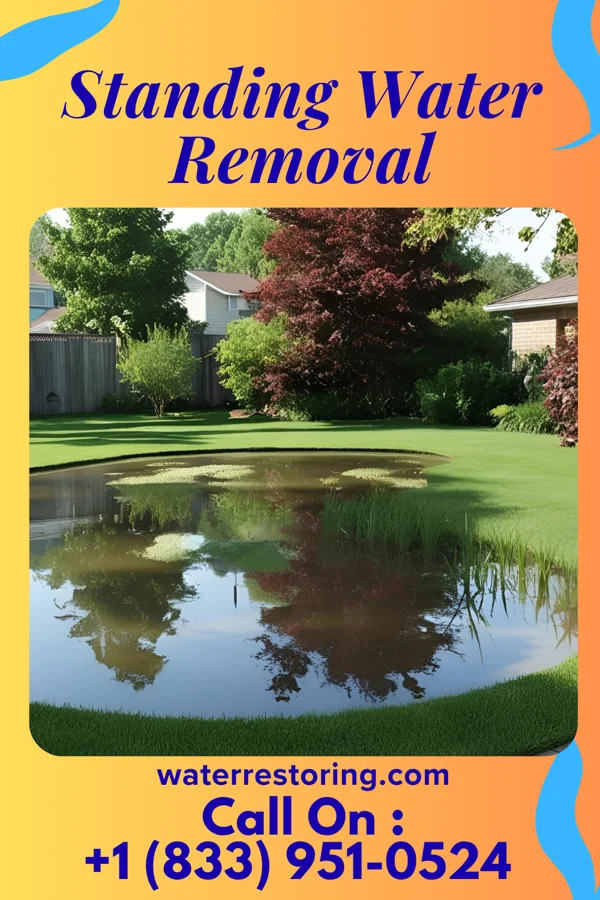
Standing Water Across Lakeland Neighborhoods
Every neighborhood in Lakeland has a different water damage risk profile. The one that shows up on most restoration calls is In Lakeland, Georgia, the primary water damage cause is often related to plumbing failures, such as burst pipes and leaking water heaters, especially in older rural homes near Ray City and Stockton. Additionally, heavy rainfall events, common during the spring and summer months, can lead to localized flooding in low-lying areas near Moody AFB and surrounding farmlands.. A close second is Secondary causes include malfunctioning sump pumps, roof leaks from aging or damaged structures, and water intrusion from nearby agricultural runoff in the rural areas of Lanier County. These issues are exacerbated by the region's humid climate and frequent thunderstorms..
Lakeland, Georgia experiences a humid subtropical climate with high humidity and frequent thunderstorms, increasing the risk of sudden water damage. The region's proximity to the Appalachian Plateau and its rural landscape can lead to slow drainage, making water accumulation a persistent concern.
Water damage in Lakeland follows a few local patterns. In Lakeland, Georgia, the primary water damage cause is often related to plumbing failures, such as burst pipes and leaking water heaters, especially in older rural homes near Ray City and Stockton. Additionally, heavy rainfall events, common during the spring and summer months, can lead to localized flooding in low-lying areas near Moody AFB and surrounding farmlands. accounts for the bulk of our calls. Lakeland, Georgia experiences a humid subtropical climate with high humidity and frequent thunderstorms, increasing the risk of sudden water damage. The region's proximity to the Appalachian Plateau and its rural landscape can lead to slow drainage, making water accumulation a persistent concern. Mold growth in Lakeland can begin within 48 hours of water exposure, especially in the humid climate and older homes with poor insulation. Prompt action is critical to prevent long-term structural damage and health risks for residents.